What happens during pet euthanasia, step by step
Published November 6, 2026
It is a quiet afternoon, and your pet is asleep on the worn bed by the kitchen door. Your vet has talked with you about what comes next, and your phone is in your hand. You want to know what will happen, one step after another, and whether you can stay in the room for it.
The short answer: You call and we confirm a veterinarian is available. At your home or in our Farewell Room, a sedation shot usually comes first, so your pet becomes relaxed and sleepy. A final injection follows, which your pet does not feel, and the veterinarian confirms the heart has stopped. You can stay or step out, and both are all right.
A phone call comes before the euthanasia
Please call for an appointment at 727-272-8504 to ensure a vet is available. Appointments must be scheduled and same day may be available based on vet availability. If Pet Passages cannot schedule a vet, we can assist you with your needs via alternative emergency providers.
On that call we explain the options, and we provide a final quote by phone. You can ask anything, including what you are wondering right now by the kitchen door, and you can change your mind.
You decide where your pet is and who stays
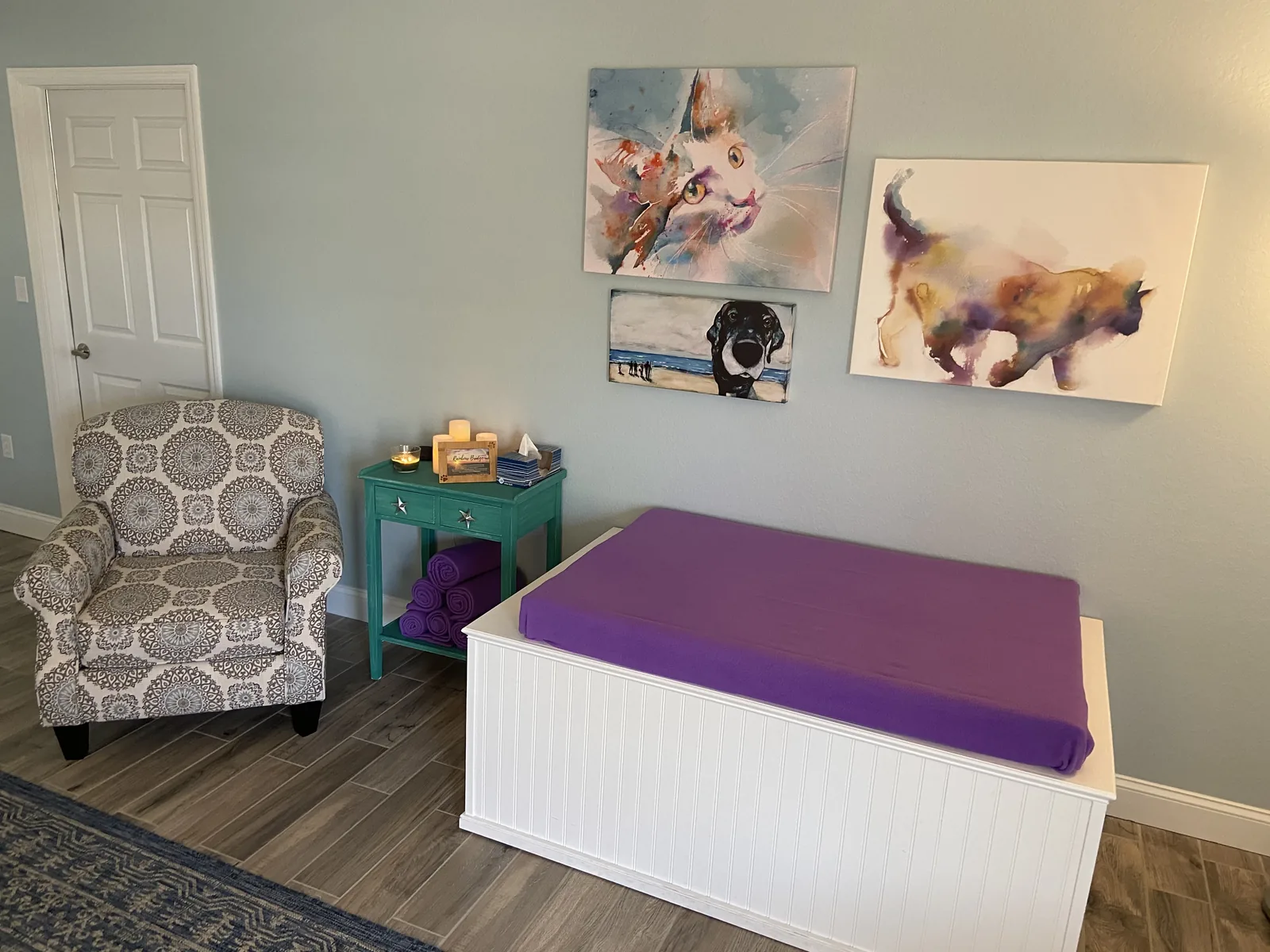
We can schedule a vet to come to your home, depending on your location and vet availability. Or you bring your pet to one of our 3 Farewell Rooms in Largo, by appointment. Bring the cremation authorization form.
Once the veterinarian is with you, you decide who stays. Dr. Donald S. Howell, DVM, one of the veterinarians we work with, describes the options: your pet can be on your lap, you can sit beside them, or they can lie in their own bed if you want to bring it. If you would like your pet on that worn bed by the kitchen door, at home or here in Largo, tell us when you call so the veterinarian can plan for it.
In the Farewell Room, pets remain on a leash at all times and on pads during and after euthanasia, so tell us if the bed is coming. The room rules, including a cleaning fee we will work with you to avoid, are on our pet euthanasia page.
You also decide whether to be in the room for the procedure. The American Veterinary Medical Association notes that some owners choose to be present, others choose to say goodbye beforehand, and that these decisions are very personal. Both choices are all right, and neither is judged here.
The sedation shot comes first, then the final injection
Dr. Howell begins by talking with the family about how the process occurs. The first step, in an interview with us: "I like to give them a sedation shot so that they're asleep." From that shot, "the pet will become very relaxed in a sleepy state."
The American Veterinary Medical Association notes that a sedative depends on your pet's needs and medical history, so questions about your own pet's condition or drugs belong with your vet.
When it is time, the final injection goes into a vein. Dr. Howell says the sedation shot comes first "so that they do not feel the injection, and they pass away peacefully." The Cornell University College of Veterinary Medicine says a pet loses consciousness as the injection is given and does not feel anything.
Then the veterinarian listens to confirm the heart has stopped, before anyone leaves, and lets you know. Cornell says that most times a pet passes away so smoothly that it is difficult to tell until the veterinarian listens, so this is not something you have to judge yourself.
What your pet's body may do afterward
A few things you may see after the final injection are normal, so we describe them plainly. Cornell says the eyes remain open in most cases. Sometimes the last few breaths are involuntary, and your pet is not aware of them. Occasional muscle twitching can follow.
The muscles then relax completely, and Cornell says this is often accompanied by a release of the bladder and bowels, which it calls completely normal and something an owner should expect. The American Veterinary Medical Association adds that your pet may move their legs or head or breathe deeply several times after the drug is given. It says these are just reflexes and do not mean your pet is in pain or suffering.
This is why pets stay on pads in our Farewell Room. A Pet Passages® funeral director will gently move your pet in order to manage any bowel or fluid release, so that part is ours. For a home visit, if you want to keep that worn bed as it is, mention it when you call.
Time with your pet, then aftercare with the same team
After euthanasia, the American Veterinary Medical Association notes, some people find it helpful to spend some time with their pet. We will work with you to ensure you can say your final goodbye. To know how that time will work at your appointment, ask us on the call. If you chose not to stay, Cornell notes you may wish to see your pet afterward, so tell us.
Your pet then stays with us. If the vet came to your home, we bring your pet right back to our funeral home. If you came to us, your pet never leaves our funeral home. We do not transfer your pet to anyone else for any service.
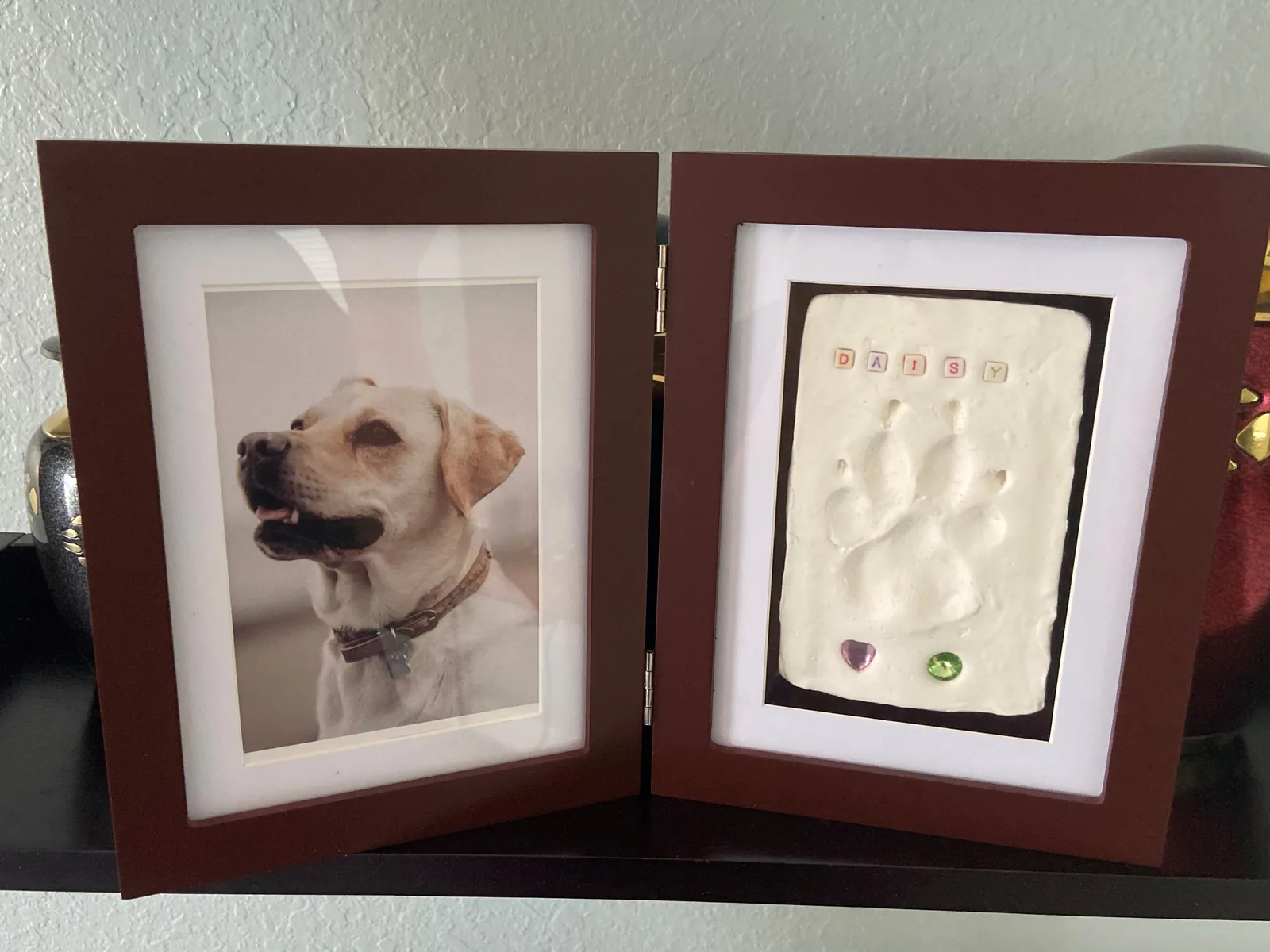
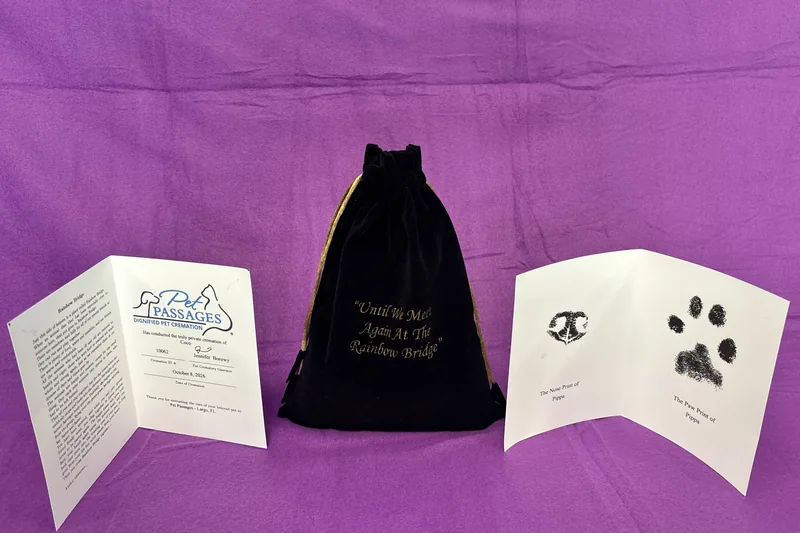
The estimated price includes our Truly Private Remembrance Package, and we provide a final quote by phone. The package holds an engraved wood box urn with a velvet pouch, an ink nose print, an ink paw print, a cremation certificate and a blooming heart of remembrance. Truly Private means your pet is the only pet in the cremation unit and your pet's ashes are returned to you. Our promise is a 72 hour (3 business days) return of your pet's cremated remains, from the time we received your pet in our care.
Back at the kitchen door, your pet is still on that worn bed and your phone is still in your hand. You now know the order of what happens and what you may see. Whether you stay in the room is yours to decide, and we are available by phone 24/7 at 727-272-8504.
Questions families also ask
How do you euthanize a dog at home?
At Pet Passages, one of our vet partners performs it. We schedule the vet to come to your home, then we bring your pet right back to our funeral home. In-home pricing is location dependent and based on vet availability, so we can only tell you whether a vet can come to your address once you call. We provide a final quote by phone.
How do you put a cat down humanely?
A veterinarian performs it. The American Veterinary Medical Association describes this order for pets: a sedative first, depending on your pet's needs and medical history, then an injection, and it calls death quick and painless. For questions about your own cat's condition or drugs, please ask your vet.
How long does it take once the final injection is given?
The Cornell University College of Veterinary Medicine says a pet loses consciousness as the injection is given, and that within minutes the heart and lungs stop functioning. For how long your own appointment may take, please ask us when you call.